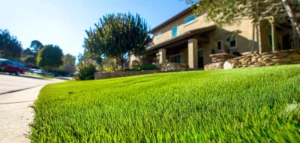
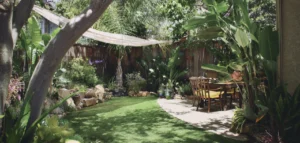
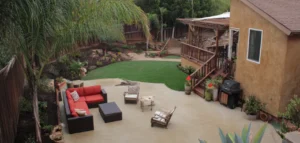
In California, water restrictions, rising utility costs, and maintenance demands have led many homeowners to reconsider traditional lawns. One of the most common questions we hear is:
Should I install artificial turf or keep natural grass?
Both options have advantages, but the right choice depends on your lifestyle, maintenance preferences, and long-term goals.
“Should I install artificial turf or keep natural grass?”
The Case for Natural Grass
Natural grass offers a classic, organic look and feel. For homeowners who enjoy gardening and maintaining a lawn, real grass can provide a lush and authentic outdoor aesthetic.
Benefits of Natural Grass
Natural appearance and texture
Cooler surface temperature in direct sun
Traditional curb appeal
No synthetic materials
Considerations
Maintaining natural grass in California can be costly and time-consuming. Regular watering, mowing, fertilizing, aerating, and reseeding are required to keep it healthy.
Water usage is a significant factor. During drought conditions or water restrictions, maintaining a vibrant lawn can become challenging and expensive.
The Case for Artificial Turf
Artificial turf has become increasingly popular across California due to its low maintenance and year-round appearance. Modern turf products are designed to look realistic while providing durability and consistent performance.
Benefits of Artificial Turf
No watering required
Minimal maintenance
No mowing or fertilizing
Consistent green appearance year-round
Durable for pets and play areas
Reduced mud and debris
For busy homeowners or families with pets, turf offers convenience and reliability without ongoing lawn care.
Cost Comparison
Natural grass typically has a lower upfront installation cost. However, ongoing expenses — including water bills, landscaping services, and maintenance supplies — can add up significantly over time.
Artificial turf requires a higher initial investment but often reduces long-term costs due to minimal upkeep and water savings.
For many California homeowners, the long-term savings and convenience make turf an appealing choice.
Environmental Considerations
Water conservation is a major concern in California. Artificial turf eliminates irrigation needs, reducing water consumption significantly.
Natural grass, while environmentally natural, requires consistent watering and chemical treatments to maintain appearance in dry climates.
For drought-conscious homeowners, turf offers a practical alternative that supports long-term sustainability efforts.
Performance & Durability
Artificial turf is designed to withstand heavy foot traffic, pets, and changing weather conditions. With proper installation and base preparation, it maintains its structure and appearance for years.
Natural grass, by contrast, can develop patchy areas, muddy spots, and uneven growth depending on usage and weather.
Aesthetic & Design Flexibility
Artificial turf integrates seamlessly with hardscaping, pavers, pools, and modern landscape designs. It creates clean lines and a polished appearance.
Natural grass offers a softer, organic feel but may require more maintenance to maintain symmetry and color consistency.
Which Option Is Best for You?
Choose natural grass if:
You enjoy lawn care and gardening
You prefer a completely organic landscape
Water usage is not a primary concern
Choose artificial turf if:
You want low maintenance
You want year-round greenery
You’re looking to reduce water usage
You need a durable, pet-friendly surface
Final Thoughts
Both natural grass and artificial turf can enhance your outdoor space. The best choice depends on your lifestyle, maintenance preferences, and long-term goals.
If you’re planning a backyard upgrade, professional consultation and proper installation are key to achieving lasting results.